

The useful answer
You can change the presentation of your eye area with brow styling, makeup, glasses and photography. There is no established at-home routine that guarantees a permanent hunter-eye structure. A temporary squint or a different shadow is not proof of anatomical change.
01 / FIELD NOTES
Can you get hunter eyes naturally?
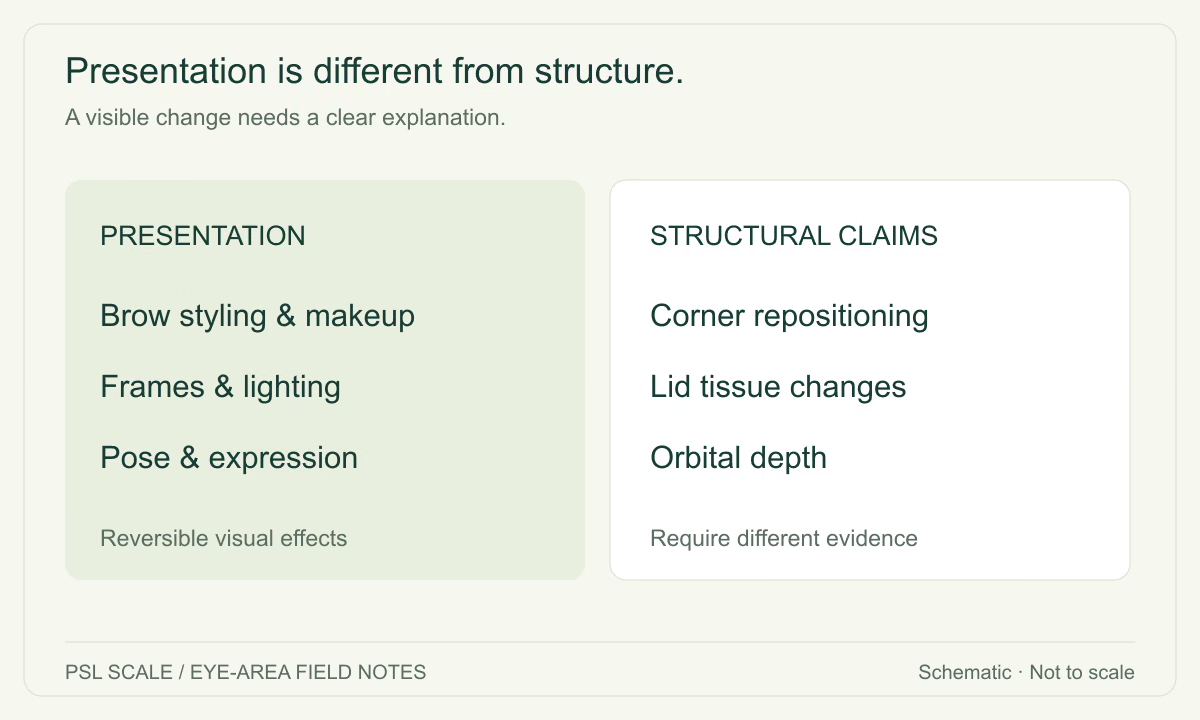
First decide which change you want. A stronger brow frame, less distracting glare and a more elongated makeup outline are presentation goals. Moving the eye corners or setting the eyes deeper is a structural goal. A tutorial that switches between those goals can make a small styling result sound like a change in anatomy.
If by “naturally” you mean without surgery, some visual changes are possible. That does not mean everyone can develop every trait in the hunter eyes definition. Start with the features you already have and choose a reversible effect you like.
02 / FIELD NOTES
A practical hunter eyes tutorial for presentation
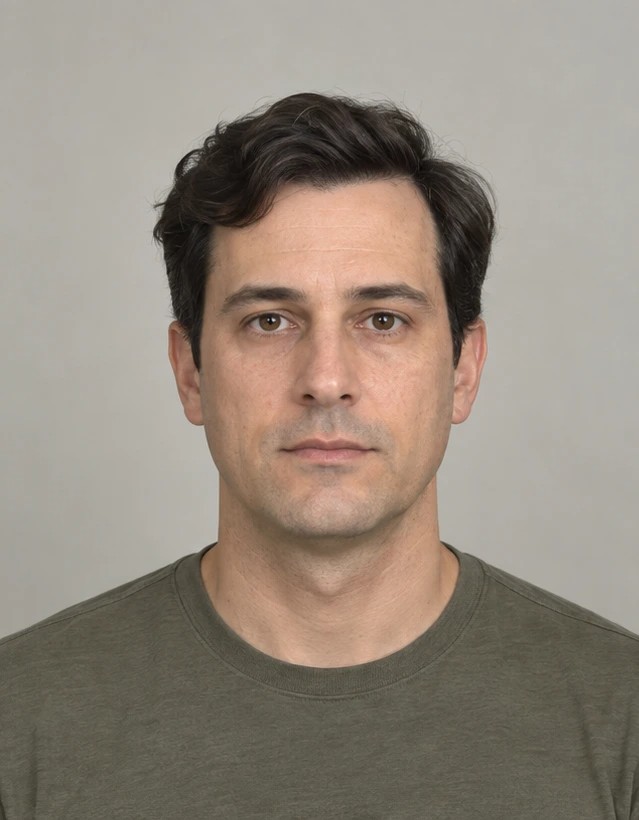
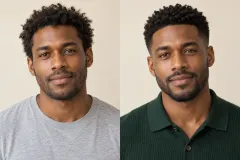
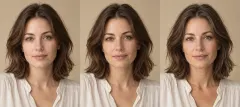
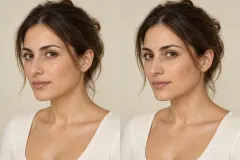
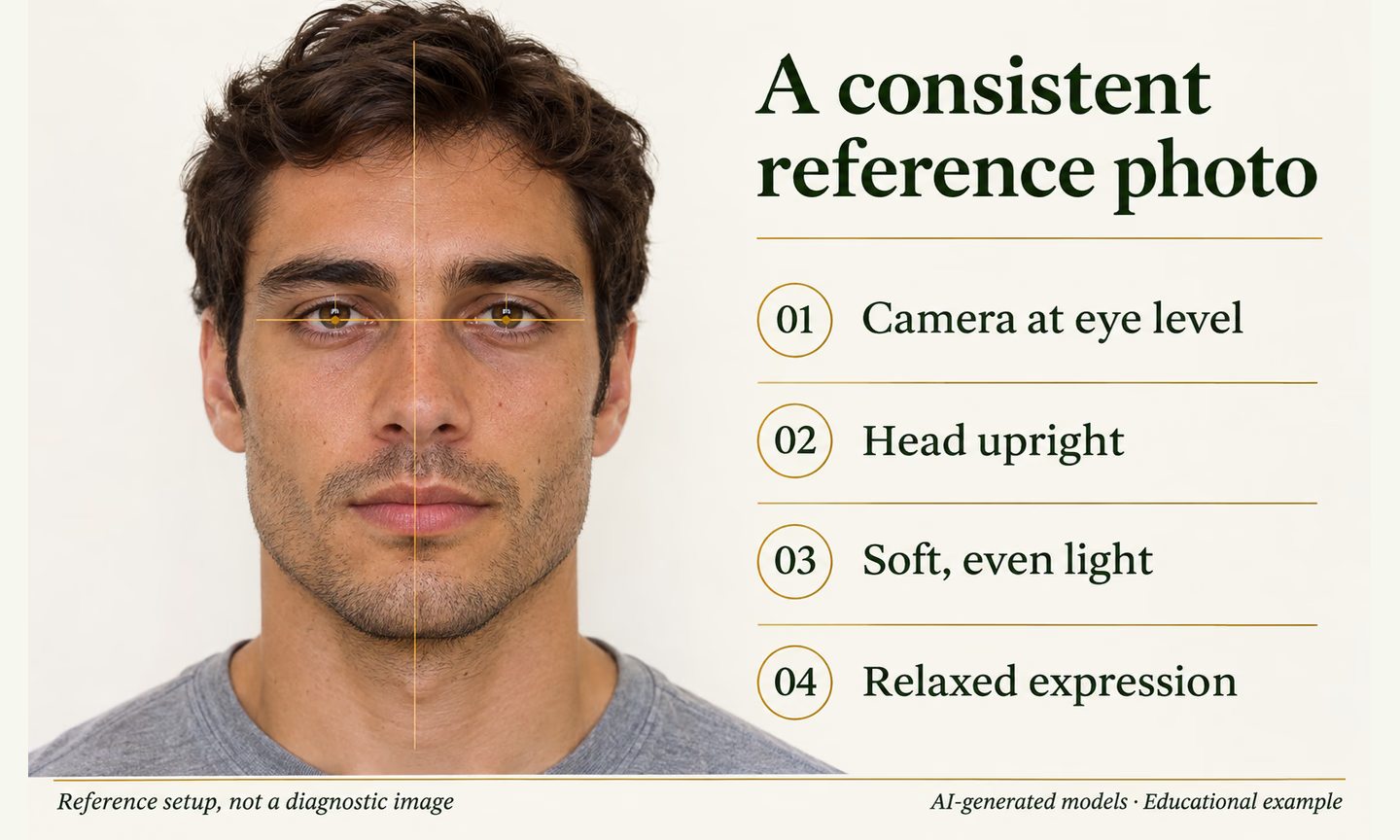
Begin with a neutral photo so you have a useful reference. Keep the lighting, distance and expression consistent when comparing a styling change. Adjust one thing at a time; otherwise you cannot tell whether the effect came from the brow, the light or a squint.
For brows, sketch the outline with a removable pencil before changing any hair. A flatter visual line may frame an elongated eye differently, but there is no universally correct brow. Avoid shaving or overplucking to copy a photograph whose light and pose differ from yours.
If you wear makeup, a subtle extension near the outer corner can create an elongated outline. Check it with the eye open and the face relaxed. Placement that works on a visible crease may need adapting for a monolid or a hooded lid. The goal is a visual effect you can remove, not a new eye structure.
- Take one relaxed reference photograph.
- Try a removable brow or liner outline.
- Check comfort and appearance with the eyes open normally.
- Compare in the same light without a filter or forced squint.
- Keep the change only if you like it in everyday use.
03 / FIELD NOTES
Sleep, puffiness, caffeine and the before-and-after trap
An eye area can look different from day to day. If a tired photograph looks puffier than another, that comparison alone does not identify a cause or prove that a routine changed its structure. Normal sleep and comfortable screen breaks are reasonable daily habits; they are not a hunter-eye prescription.
“Caffeine for your eyes has made me have hunter eyes” is an anecdote, not evidence of orbital reshaping. A skin product, different lighting and a different expression are separate variables. Use products only as directed and keep them out of the eyes. Persistent swelling or irritation calls for an eye-care discussion rather than more cosmetic experimentation.
04 / FIELD NOTES
What about squinting, mewing and eye exercises?
Squinting narrows the visible opening while you hold the expression. An after-photo taken during that squint cannot demonstrate a lasting change. A routine would need evidence of a stable resting change, measured consistently after the exercise has ended, to support that claim.
There is no established cosmetic exercise protocol that guarantees permanent canthal repositioning or a deeper orbit. Do not press the eyeballs, pull the lids or use devices to force a shape. The hunter eyes exercise guide explains what a tutorial actually shows and how to evaluate its evidence.
05 / FIELD NOTES
How to get hunter eyes permanently?
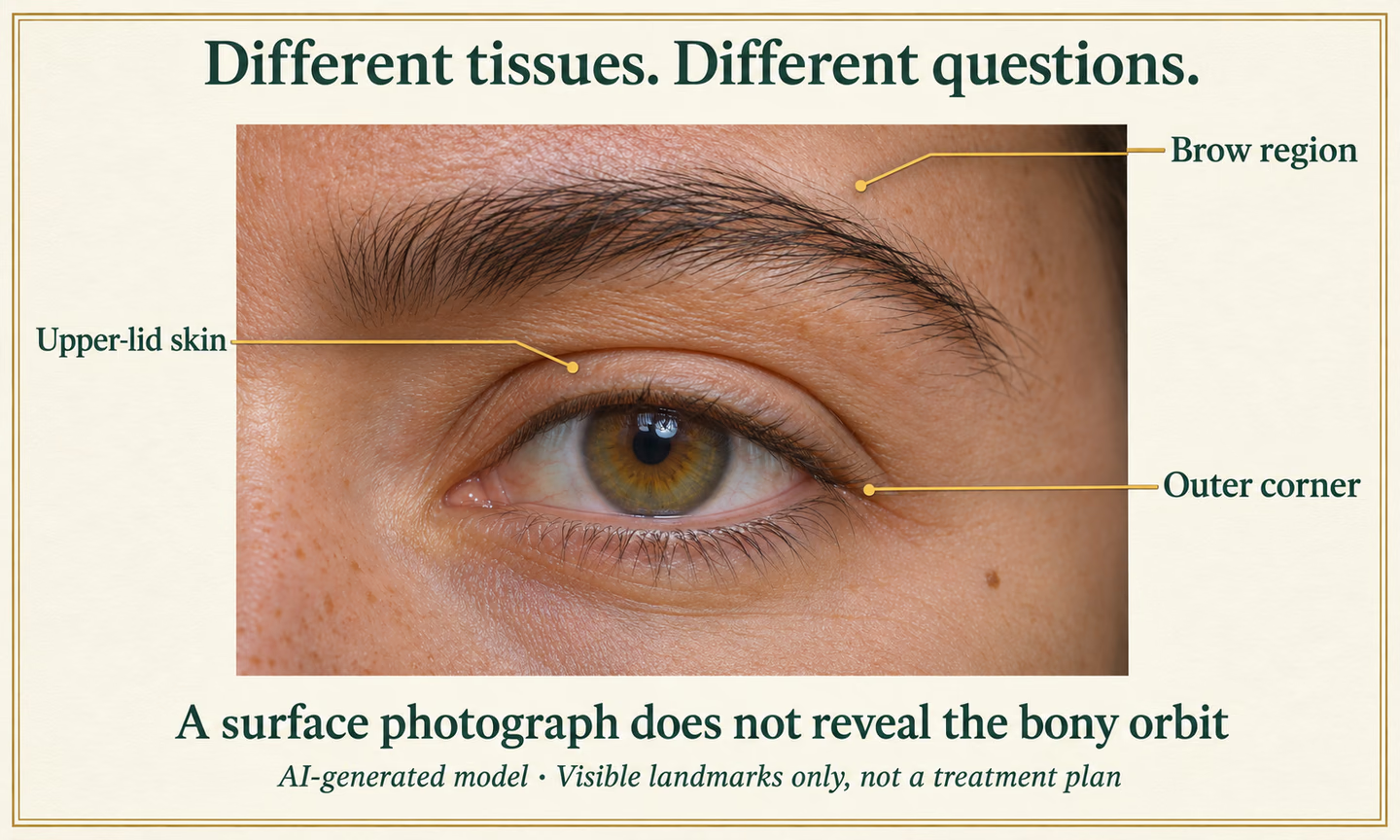
There is no single permanent hunter-eyes treatment because the label combines multiple features. Cosmetic procedures target particular tissues and involve different limits and risks. They do not guarantee a social-media label or freeze normal aging.
If you are considering a procedure, describe the particular concern and any symptoms rather than requesting a meme outcome. Our hunter eyes surgery overview explains the consultation questions, why “push my eyes deeper” is not a routine eyelid-surgery goal, and why a personalized evaluation matters.
A FEW MORE ANSWERS
Frequently asked questions
How to have hunter eyes without squinting?
Consider brow framing, makeup and glasses if you want a different presentation. Your relaxed opening shape and eyelid anatomy set the starting point; no styling choice guarantees the complete internet label.
Can I get hunter eyes in a week?
A week is enough to try a removable styling choice. It is not evidence of permanent skeletal or eye-corner changes. Compare relaxed photographs taken in the same conditions.
Do glasses ruin hunter eyes?
No. Frames and lenses affect the visible presentation. They do not erase eye shape. Keep the vision correction you need and choose comfortable frames.
Explore your own eye area.
Use a clear, relaxed photograph. Read the result as a photo-based description, with the limits of the image in mind.
Try the Hunter Eyes tool