
What are hunter eyes?
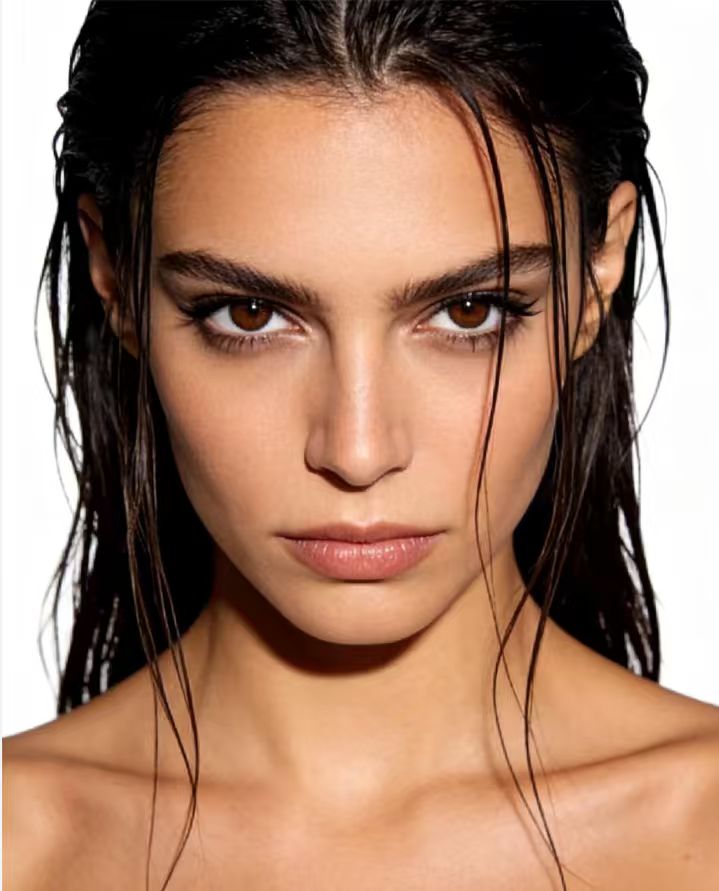
Hunter eyes usually describe an eye area with neutral or positive canthal tilt, low upper eyelid exposure, almond shape, deeper sockets, and a closer brow-eye relationship.
Check if you have hunter eyes. The AI evaluates canthal tilt, upper/lower eyelid exposure, eye socket depth, brow-eye distance, and eye shape to show how close your eye area is to the Hunter Eyes ideal.
Upload your photo for Hunter Eyes evaluation
Upload a clear, front-facing photo (JPG, PNG, WebP, max 10MB)
See real Hunter Eyes evaluation examples with six-dimension scores, strengths, weaknesses, and improvement suggestions

Hunter Eyes Score
Out of 8
The eyes show moderate Hunter-like traits with a positive canthal tilt and decent lid coverage, but are held back by a relatively high brow-eye distance and less defined socket depth. The overall shape is almond but not sharply predatory.
Canthal Tilt
6.0
Upper Eyelid Exposure
6.0
Lower Eyelid Exposure
5.0
Eye Socket Depth
4.0
Brow-Eye Distance
3.0
Eye Shape / Almond
5.0
pslscale.com
Hunter Eyes Score
Out of 8
The eyes are highly aligned with the Hunter Eyes ideal, featuring strong canthal tilt and deep-set sockets. However, the upper eyelid exposure is slightly too high, and the brow-eye distance is borderline, preventing a perfect score.
Canthal Tilt
7.0
Upper Eyelid Exposure
5.0
Lower Eyelid Exposure
7.0
Eye Socket Depth
8.0
Brow-Eye Distance
5.0
Eye Shape / Almond
7.0
pslscale.com
Discover what makes Hunter Eyes evaluation the best choice for eye area aesthetics
Science-based assessment of canthal tilt, upper/lower eyelid exposure, eye socket depth, brow-eye distance, and eye shape to quantify how Hunter-like your eye area is.
Get your 0-8 eye area score in seconds, understand strengths and weaknesses, and receive actionable exercise and care suggestions.
Safe, non-surgical methods from the guide: UUDD exercises, squint training, cold compress, sleep, brow grooming, body fat, and mewing.
Scientific mode gives objective analysis and suggestions; roast mode delivers a funny, shareable take while keeping scores objective.
We never store your photos. Images are used only for evaluation and deleted after processing.
Get your Hunter Eyes evaluation in three simple steps
Upload a clear, front-facing photo with good lighting on the eyes and brow area. JPG, PNG, WebP (max 10MB).
Our AI analyzes your eye area across six dimensions—canthal tilt, upper eyelid exposure, socket depth, and more—against the Hunter Eyes ideal. See the Hunter Eyes wiki guide for the full criteria.
Receive your Hunter Eyes score and detailed analysis in seconds, plus personalized improvement tips (e.g. UUDD, cold compress, brow grooming). For a full-face perspective, try the AI attractiveness test.
See what a Hunter Eyes evaluation looks like
Hunter Eyes Score
Out of 8
The eyes show moderate Hunter-like traits with a positive canthal tilt and decent lid coverage, but are held back by a relatively high brow-eye distance and less defined socket depth. The overall shape is almond but not sharply predatory.
Canthal Tilt
6.0
Upper Eyelid Exposure
6.0
Lower Eyelid Exposure
5.0
Eye Socket Depth
4.0
Brow-Eye Distance
3.0
Eye Shape / Almond
5.0
pslscale.com
This is an example. Your actual result will include six-dimension scores and personalized suggestions.
Hunter Eyes explained
Hunter eyes are not one isolated trait. The look comes from canthal tilt, eyelid exposure, eye socket depth, brow-eye distance, and overall eye shape working together.
Hunter eyes usually describe an eye area with neutral or positive canthal tilt, low upper eyelid exposure, almond shape, deeper sockets, and a closer brow-eye relationship.
A useful test looks at canthal tilt, upper lid coverage, lower scleral show, socket depth, brow pressure, and eye shape instead of judging only eye size.
Prey eyes tend to look rounder, more exposed, and more downward tilted. Hunter eyes tend to look narrower, deeper-set, and more neutral or upward tilted.
Canthal tilt is the angle from the inner corner to the outer corner of the eye. A neutral or slightly positive tilt usually supports the hunter eyes look.
Use a clear front-facing photo with stable lighting. Check the outer-eye angle, eyelid exposure, scleral show, brow-eye distance, and whether the eye shape reads narrow or round.
PSL Scale breaks the eye area into separate dimensions so you can distinguish structural strengths, photo-condition noise, and factors that may be improved. Pair it with the full PSL scale test for an overall rating.
No. Hunter eyes are one aesthetic pattern. Overall facial harmony, facial structure, skin quality, expression, and style still matter.
Bone structure and eye-corner position are mostly structural. Sleep, puffiness control, body-fat management, grooming, and expression habits can improve the look, but they do not guarantee structural change.
Use a clear front-facing photo with the eyes visible, stable lighting, and no heavy filters. Avoid strong high or low angles.
No. A Hunter Eyes score focuses on the eye area. A full PSL score also considers facial harmony, symmetry, skin quality, structure, and other traits.
Frequently asked questions about Hunter Eyes evaluation