


PSL Scale Wiki / Jaw anatomy
Gonial Angle: Normal Range & What Changes It
The gonial angle describes the bend at the back of your lower jaw. Here is how to read a gonial angle measurement, understand the often-quoted normal range, and separate changes in bone from changes in the outline you see in a photograph.
01 / The mandibular corner
What is the gonial angle?
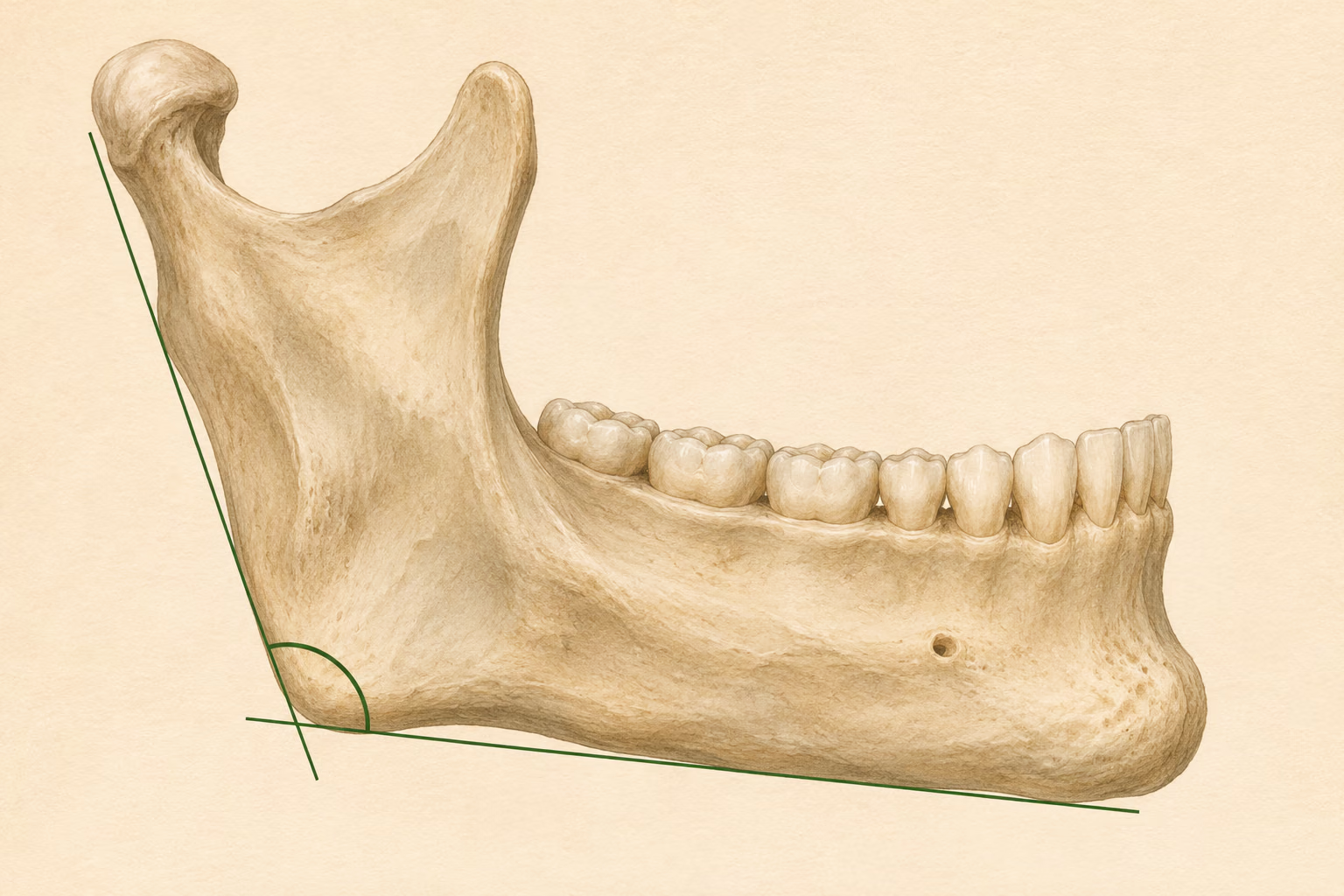
The gonial angle is formed where the upright ramus meets the body of the mandible. Picture the lower jaw as a bent arm: the ramus rises toward the ear, while the body runs forward toward the chin. The gonial angle describes that bend, rather than the width of the whole jaw.
For a skeletal gonial angle measurement, clinicians trace lines along the posterior ramus and the lower mandibular border. Their intersection defines the angle. Landmark conventions and imaging technique matter; even radiographic measurements have tracing and projection error.
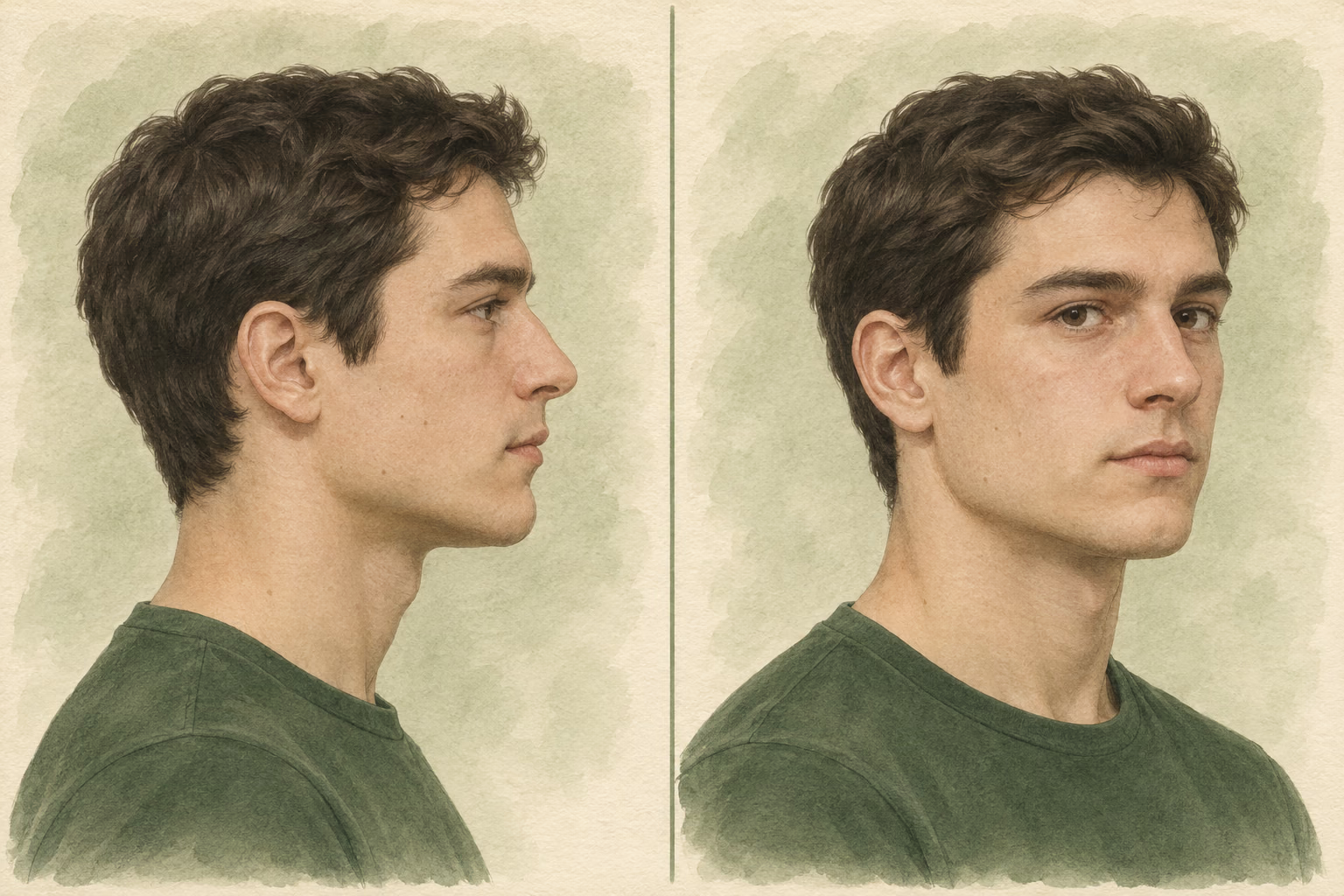
A jawline angle seen through skin is a different observation. Muscle, fat, facial hair and head position all affect the visible contour. A prominent corner does not reveal an exact skeletal gonial angle, and one number cannot describe chin projection, jaw width or overall facial balance.
References: Shahabi et al., Journal of Oral Science (2009).
Normal gonial angle: what does 120–130° mean?
Use 120–130° as broad introductory context for the adult gonial angle, rather than a diagnostic interval. Published samples differ in age, bite pattern, ancestry and tracing method. A gonial angle outside that shorthand range does not establish a health problem or a need for treatment.
For a concrete research example, Shahabi and colleagues studied 70 patients with Class I malocclusion, aged 15–30. Their mean gonial angle was 125.00° on lateral cephalograms and 124.17° on panoramic images. Those are sample averages, not the boundaries of normality for everyone.
| Gonial angle reference | Geometry | How to interpret it |
|---|---|---|
| Below about 120° | A tighter, less open corner. | May accompany a squarer skeletal outline; not a universal target. |
| About 120–130° | A moderately open corner. | A useful adult reference shorthand, not a clinical pass/fail band. |
| Above about 130° | A more open corner. | May accompany a steeper lower border; assess the complete facial pattern. |
| A photo-tool result | An angle between surface anchors. | Use that tool’s measurement definition; do not apply skeletal ranges. |
References: Shahabi et al., Journal of Oral Science (2009).
Is there an ideal gonial angle for men or women?
An ideal gonial angle is an aesthetic preference, not a single clinical norm. Online targets such as 115° or 120° leave out the rest of the face. The same gonial angle can sit beside a long or short ramus, a projected or recessed chin, and very different soft-tissue contours.
Sex averages also depend on the sample. In the Shahabi study, the lateral-cephalogram gonial angle means were 124.9° for men and 125.04° for women. Such closely spaced averages do not support separate personal goals or using the gonial angle to infer someone’s sex.
If you are comparing 115°, 120°, 125° and 130°, start with geometry: a larger number opens the corner. That observation alone cannot rank faces. Use the gonial angle alongside proportions and the conditions of the photograph, rather than treating a lower reading as an automatic improvement.
A mathematical illustration of the gonial angle between two directions. This is a geometry demo; it does not simulate a face, predict attractiveness or measure your jaw.
References: Shahabi et al., Journal of Oral Science (2009).
Gonial angle calculator: what a photo can measure
Searching for a gonial angle calculator usually means wanting a quick reading from a photo. PSL Scale’s free Jawline Analyzer detects 478 facial landmarks and calculates two-dimensional surface angles. Your gonial angle calculator result is a visible jaw-corner estimate, with guides showing which points produced it.
The tool also reports jaw-to-cheek width, projected symmetry and lower-face share. These measurements help explain a photograph, but they cannot locate bone beneath skin. Even when a gonial angle calculator accepts a side-profile image, its surface-anchor calculation does not become a clinical cephalometric tracing.
No sign-up is needed for the free analysis, and the selected photo is processed in your browser. Inspect the overlays before interpreting the numbers. If the points miss the contour, a precise-looking gonial angle calculator result can still be misleading.
Read the angle on your own photo.
Check both surface angles and the guides behind them. The free gonial angle calculator runs locally in your browser.
Try the free gonial angle calculatorHow to measure gonial angle at home
At home, you can document visible geometry; you cannot confirm the hidden skeletal gonial angle from a selfie. Choose a method and keep it consistent. Switching between a front-photo result, a manually traced profile and a radiograph produces numbers that answer different questions.
- For the gonial angle calculator, start with a clear, eye-level, front-facing photo. Keep a neutral expression, relax the jaw and move hair away from the outline.
- Inspect both corner guides. Record the image conditions alongside your gonial angle calculator reading; head rotation and perspective can move the anchors.
- For a manual profile estimate, take a true side view with a neutral head position. Trace the visible rear jaw contour and lower jaw edge, then measure their inside angle with a protractor.
- Label the manual result a soft-tissue profile estimate. The visible border may be indistinct, especially beneath facial hair; do not guess a hidden edge to obtain a gonial angle.
| Method | What it measures | Main limitation |
|---|---|---|
| Clinical imaging | Skeletal gonial angle using a defined tracing. | Requires clinical interpretation; projection and tracing still matter. |
| Manual side-profile tracing | The angle of two visible outline tangents. | Skin and muscle conceal the true bone borders. |
| Landmark photo calculator | Geometry between detected surface anchors. | Pose and landmark placement affect the projected result. |
What changes the gonial angle—and what changes appearance?
Separate two goals: altering the skeletal gonial angle and making the jawline look more defined. Adult bone continues to remodel, but a new camera pose or a short exercise routine does not demonstrate a structural gonial angle change. Comparable records matter more than a dramatic before-and-after image.
| Factor | Likely effect | What to keep in mind |
|---|---|---|
| Growth and dental status | Can relate to skeletal changes over time. | Age trends vary; tooth loss and individual history complicate comparisons. |
| Facial fat and skin | Can change how clearly the existing corner shows. | A visible change does not establish a different skeletal gonial angle. |
| Masseter size | Can change bulk over the jaw corner. | Muscle size and bone angle are different measurements. |
| Mewing or tongue posture | No established adult bone-reshaping benefit. | Do not treat tongue pressure as a gonial angle treatment. |
| Fillers or jaw implants | Can alter the external outline. | Adding contour is different from repositioning the underlying jaw. |
| Jaw surgery | Can alter skeletal relationships and geometry. | Planning depends on anatomy, function and specialist assessment. |
Does the gonial angle change with age?
The gonial angle develops with the growing mandible. Adult comparisons are more complicated than a rule that the angle always increases with age. A 2012 study by Upadhyay and colleagues found no consistent significant pattern across age groups, no correlation with sex, and a larger angle in participants without teeth.
That makes the gonial angle a poor personal aging clock. Tooth loss, skeletal history and the method used to measure it need consideration. A change between two selfies is especially weak evidence of an age-related gonial angle change because pose and soft tissue have also changed.
References: Upadhyay et al., Journal of Forensic Dental Sciences (2012).
Does mewing change the gonial angle? What about chewing?
Mewing is often promoted as a way to lower the gonial angle by pressing the tongue against the palate. The American Association of Orthodontists says research does not support the claimed jawline benefits. There is no established mewing protocol that reliably changes the adult skeletal gonial angle.
Chewing uses the masseter, so muscle bulk can affect the visible jaw corner. It does not follow that aggressive chewing will produce a chosen gonial angle. Jaw clenching and excessive gum chewing can also aggravate symptoms; NIDCR recommends reducing these habits when managing jaw discomfort.
A wider-looking jaw after clenching is not evidence of a smaller gonial angle. If you have pain, locking or a changing bite, seek a dental assessment. Those symptoms call for evaluation of function, rather than repeated gonial angle calculator checks.
References: American Association of Orthodontists (2025); National Institute of Dental and Craniofacial Research.
Can procedures change the gonial angle?
Procedures have different aims. A jaw implant adds material around the existing mandible to change its outline; it does not simply turn the original bone into a new gonial angle. Cleveland Clinic describes risks including infection, implant movement and numbness, as well as the possibility of further surgery.
Orthognathic surgery repositions jawbones and can alter facial geometry. Whether a skeletal gonial angle changes depends on the anatomy and operation. A specialist evaluates the bite, symptoms, imaging and treatment goals together; a gonial angle calculator score is not a surgical indication.
References: Cleveland Clinic; American Association of Orthodontists (2025).
Gonial angle FAQ
What is a normal gonial angle?
A rough adult gonial angle reference is 120–130°, but studies and tracing methods vary. This is introductory context, not a diagnostic range. A clinician interprets the skeletal gonial angle alongside the rest of the jaw and bite.
Is a 130 degree gonial angle good?
A 130° gonial angle is more open than a 120° angle. It does not establish attractiveness or disease. First check whether the number describes a skeletal tracing or a photo estimate; those measurements are not interchangeable.
What is the ideal gonial angle for men?
There is no universal ideal gonial angle for men. A preferred look depends on the complete face and personal taste. Internet targets such as 115–120° should not be treated as clinical goals.
What is a normal gonial angle for women?
The broad adult gonial angle reference also provides context for women. Sex-specific study averages depend on the population and overlap. A normal gonial angle cannot be assigned from sex alone or inferred reliably from a selfie.
Is there a free gonial angle calculator online?
Yes. PSL Scale’s Jawline Analyzer provides free photo-based jaw-corner estimates without an account. The gonial angle calculator draws its surface-anchor guides on your photo. It estimates visible geometry and does not measure hidden skeletal landmarks.
Can I measure gonial angle from a photo?
You can estimate a visible jawline angle from a photo, either with surface landmarks or a manual profile tracing. You cannot confirm the true skeletal gonial angle that way. Keep the image pose and measurement definition with the result.
Does mewing change gonial angle in adults?
There is no established evidence that mewing reliably changes the adult skeletal gonial angle. Tongue posture advice for a diagnosed functional problem is different from an online promise to reshape the jaw. A qualified clinician can assess specific symptoms.
What does a 180° gonial angle result mean?
In a two-line construction, 180° makes a straight line. A gonial angle calculator result near that value may reflect misplaced or nearly collinear surface anchors, an obscured outline or pose. Inspect the overlay and retake the photo before interpreting it.
Sources & original illustrations
Original editorial writing, with clinical references for the measurement and treatment context. Informational content; this article has not been medically reviewed.
- Shahabi et al., Journal of Oral Science (2009): External gonial angle: panoramic radiographs and lateral cephalograms
A 70-patient Class I sample; supports the measurement-method discussion and the specific sample means, not universal norms.
- Upadhyay et al., Journal of Forensic Dental Sciences (2012): Gonial angle in relation to age, gender and dentition status
Examines age and dental status; illustrates why simple age rules need qualification.
- American Association of Orthodontists (2025): Does mewing actually reshape your jaw?
Professional guidance on unsupported jawline claims and unsupervised tongue pressure.
- National Institute of Dental and Craniofacial Research: Temporomandibular disorders
Jaw symptoms and conservative care, including reducing clenching and gum chewing.
- Cleveland Clinic: Jaw implants
Explains external contour augmentation and its risks.
Image credit / PSL Scale, 2026 · Version 1
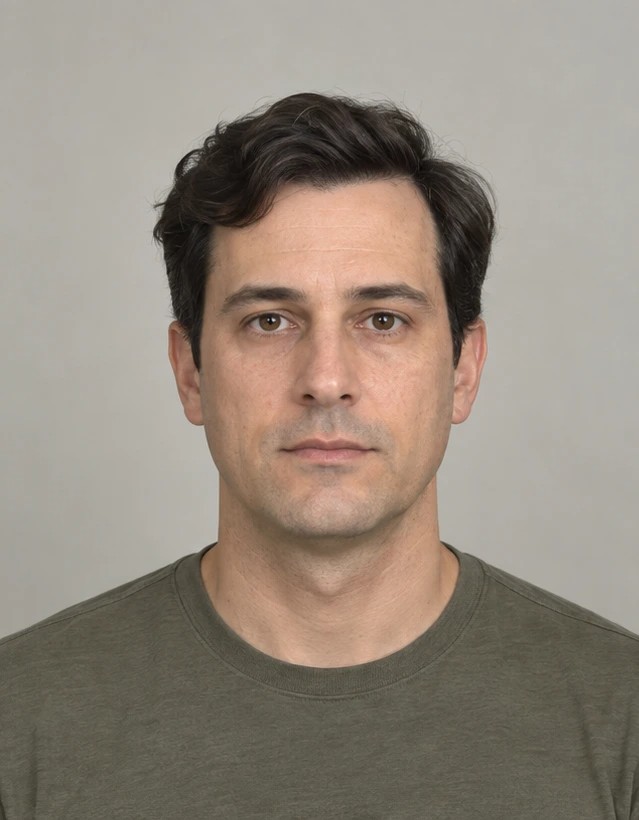
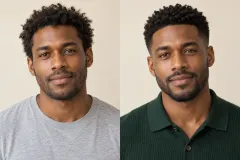
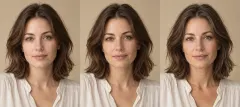
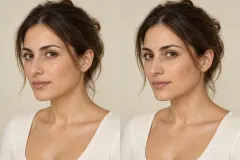
The gonial angle anatomy and pose illustrations were created with OpenAI ImageGen and exported as AVIF. They are educational artwork, rather than patient images or validated anatomical tracings. The interactive diagram uses mathematical rays.
You may reuse these two illustrations with a visible credit to PSL Scale and a link to this guide. Suggested credit: “Gonial angle illustrations — PSL Scale (2026).”